


Building muscle without letting fitness consume your identity

Building muscle can be one of the most empowering things a person does for themselves, especially after 30 when health, confidence, energy, stress management, and long-term quality of life begin to matter differently than they did in earlier years.
Strength training can improve posture, increase energy, support mental health, create structure during difficult seasons of life, and help people reconnect with themselves physically and emotionally. But one of the biggest problems many people quietly run into is when fitness stops being something that supports their identity and slowly becomes their entire identity. This often happens gradually without people realizing it.
At first, training feels positive and motivating because progress creates confidence, compliments, attention, and a sense of control.

You begin eating better, feeling stronger, noticing physical changes, and developing routines that improve your daily life. But over time, many people unknowingly start attaching their self-worth completely to their body, their gym performance, or how they look compared to others. Missing one workout suddenly creates guilt. Rest days start feeling uncomfortable. Social events become stressful because of food anxiety or fear of “falling off track.”
Mood and confidence begin depending entirely on whether the body looks lean enough, muscular enough, or aesthetically “acceptable” that day. Instead of fitness improving life, life slowly starts revolving around maintaining a physique or chasing validation through appearance.
Social media intensifies this problem constantly by presenting unrealistic standards and curated highlight reels that make it seem like everyone else is always shredded, motivated, successful, and confident. Many people compare their normal human experience to someone else’s filtered and carefully controlled presentation online, which creates a cycle of insecurity, comparison, burnout, and chronic dissatisfaction.
This is especially common in environments where appearance becomes heavily tied to attention, acceptance, aging anxiety, or social value.
The problem is that external validation never truly creates lasting internal confidence. No amount of muscle, leanness, or compliments fully fixes insecurity if self-worth only exists through physical appearance.
There will always be another physique to compare yourself to, another standard to chase, another flaw to focus on, or another level that feels “not good enough.” This is why many people eventually become emotionally exhausted even while looking physically fit on the outside. They are constantly chasing perfection while quietly losing balance mentally and emotionally.
True long-term fitness should enhance your life, not consume it. Building muscle should help improve energy, resilience, mobility, confidence, stress management, and overall health while still allowing space for relationships, hobbies, emotional health, rest, flexibility, and simply enjoying life. Sustainable fitness is not built on obsession, punishment, or fear.
It is built on consistency, recovery, patience, and routines that actually fit real life long term. Real discipline does not mean destroying yourself in the gym or becoming emotionally consumed by your physique. Real discipline often looks far less dramatic.
It looks like showing up consistently, sleeping enough, recovering properly, managing stress, eating enough protein, staying patient through slow progress, and understanding that rest is productive too. Muscle growth itself is already a slow process that requires balance between training stress and recovery capacity.
The body grows through repeated quality effort over time, not through constant burnout and self-punishment. This is why the healthiest mindset shift many people can make is learning to train from self-respect instead of self-rejection.
Train because you value your health, your future, your strength, your mobility, and your quality of life. Train because movement supports your mental health and emotional stability. Train because you want to feel capable and strong not because you are desperately trying to earn worth through appearance alone.
Your physique is only one part of who you are.
Your value as a person is not determined by body fat percentage, visible abs, muscle size, or gym performance. Fitness works best when it becomes a healthy support system for your life rather than the sole foundation of your identity.
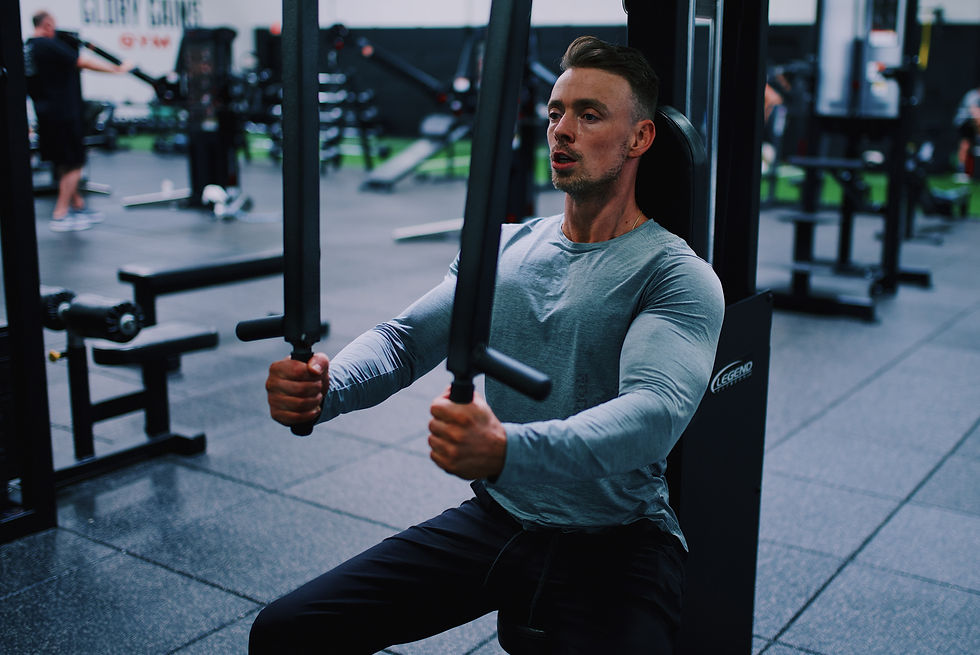
The strongest version of yourself is not just physically developed. It is emotionally balanced, mentally healthy, and capable of maintaining both progress and peace at the same time.


Comments