


Fitness Isn’t About Looking 21 Again, It’s About Feeling Strong at 31, 41, and Beyond

Updated: May 8
One of the biggest lies people over 30 are taught about fitness is that the goal is to somehow “get back” to who they used to be.
Get back to the body they had at 21.Get back to the metabolism they had in college.Get back to the energy they had before stress, work, relationships, burnout, responsibilities, and life started piling up.
But fitness after 30 is not supposed to be about chasing a younger version of yourself.
It is supposed to be about building a stronger, healthier, more resilient version of who you are now.
That mindset shift changes everything.

Because when people approach fitness only through the lens of trying to look younger again, the process often becomes fueled by frustration, comparison, and unrealistic expectations.
Workouts become punishment. Nutrition becomes restriction. Recovery gets ignored. Progress never feels good enough because the goal is based on nostalgia instead of reality.
The body changes with age. Recovery changes. Stress tolerance changes. Lifestyle demands change. That is not failure, that is life.
The problem is that many people interpret these changes as something being “wrong” with them instead of understanding that fitness needs to evolve alongside them.
At 21, you might have been able to survive on little sleep, random eating habits, and inconsistent training while still seeing results.
By your 30s and 40s, the body becomes less forgiving. Recovery matters more. Sleep quality matters more. Hydration matters more. Stress management matters more. Nutrition quality matters more.
And honestly, that is not a bad thing.
Because fitness after 30 often becomes less about extremes and more about sustainability.
It becomes about waking up with energy instead of exhaustion. It becomes about building muscle that supports long-term health. It becomes about protecting your joints instead of destroying them for ego. It becomes about improving confidence instead of chasing approval.
It becomes about longevity instead of shortcuts.
That perspective is especially important in communities where appearance pressure runs deep.
Many gay men grow up surrounded by unrealistic expectations about youth, aesthetics, and body image. There is often an unspoken belief that attractiveness has an expiration date. Social media reinforces it constantly. Fitness culture sometimes reinforces it even more.
But trying to “stay 21 forever” is a losing battle because the goal itself is impossible.
The healthier goal is learning how to feel powerful, capable, attractive, confident, and healthy at every stage of life instead of believing value only exists in youth.
There is something incredibly underrated about building strength after 30.
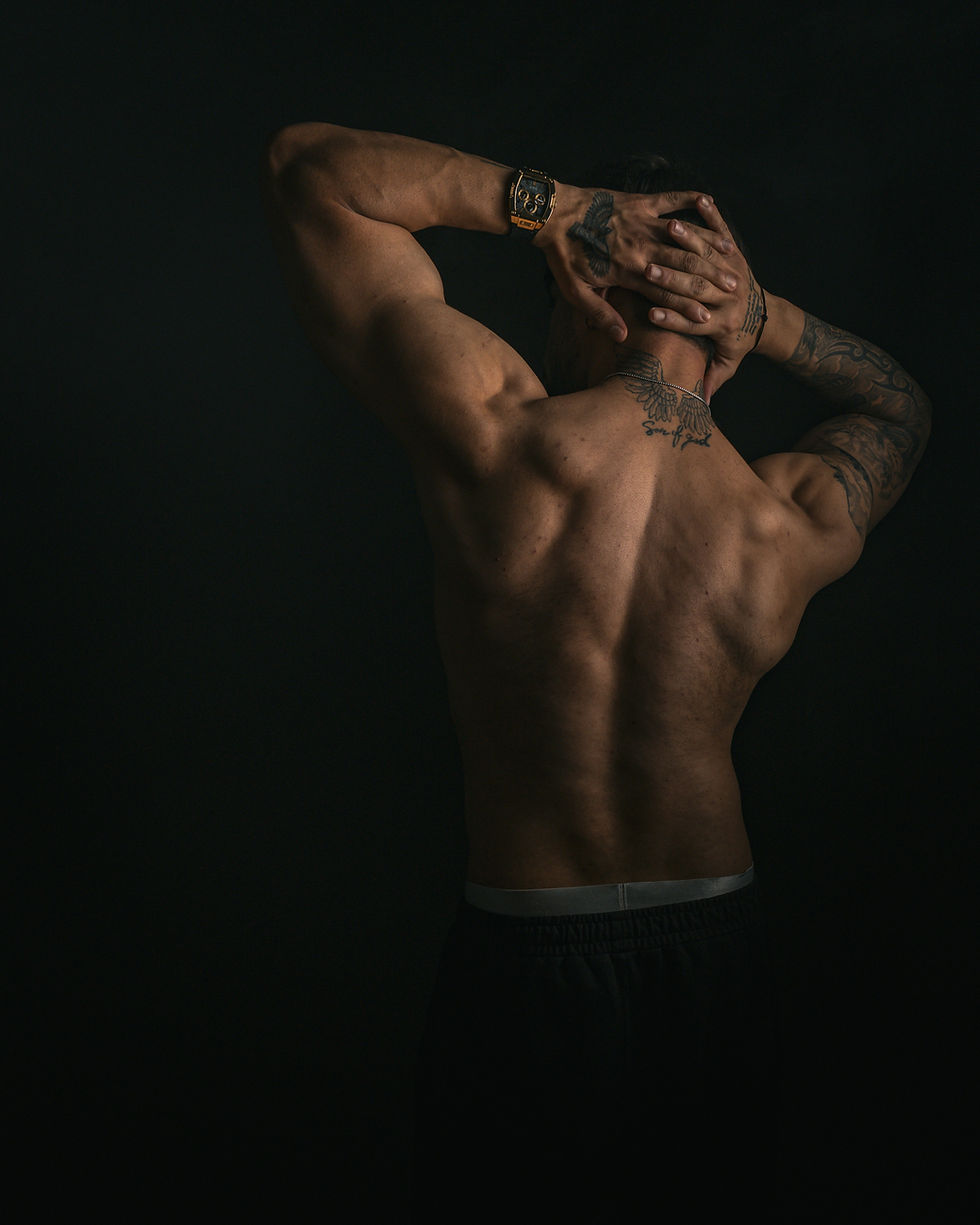
Not just physical strength, but emotional strength too.
The discipline to care for yourself consistently.The maturity to stop chasing crash diets.The patience to focus on long-term progress.The confidence to stop comparing your body to everyone else’s highlight reel.The awareness to understand that health is more than abs.
Because real fitness is not just visual.
Real fitness is:
Having energy throughout the day
Recovering well from workouts
Sleeping better
Managing stress more effectively
Feeling stronger physically
Improving posture and movement
Supporting mental health
Feeling more connected to your body instead of at war with it
Ironically, many people begin seeing better physical results once they stop obsessing over trying to look younger and start focusing on feeling healthier.
Because sustainable fitness behaviors work longer than extreme ones.
Most long-term transformation is honestly built on boring basics:
Consistent strength training
Walking more
Eating enough protein
Drinking more water
Sleeping better
Managing stress
Recovering properly
Staying consistent even when motivation fluctuates
That may not sound exciting compared to “30-day transformations,” but those basics are what actually change the body over time.
Muscle growth after 30 is still possible. Fat loss is still possible. Improving cardiovascular health is still possible. Building confidence is still possible.
But the mindset matters.
If every workout is fueled by panic about aging, the process becomes exhausting. If every meal feels tied to guilt, fitness becomes emotionally draining.
If every mirror check becomes a comparison to your younger self, progress will never feel satisfying.
Fitness should improve your quality of life, not trap you in a constant state of self-criticism.


Comments