


Beyond the Scale: How to Track Your Fitness Progress Without Obsessing Over Your Weight
- Brandon Partin NASM - CPT VCS

- May 8, 2025
- 3 min read
When we talk about fitness progress, the first thing many people reach for is the scale. It’s fast, familiar, and seemingly straightforward. But here’s the truth: your weight alone doesn’t define your progress, not even close.
Relying solely on the scale can be misleading and, for many, emotionally draining. Your weight fluctuates daily based on water retention, food intake, muscle gain, hormonal changes, and even sleep. That number might reflect mass, but not the story of strength, endurance, or improved health you’re building.
So, how can you track your fitness journey in a way that actually reflects your efforts? Let’s dig deeper.

1. Track Strength Gains and Performance
One of the most empowering ways to see progress is through what your body can do—not just how it looks.
Are you lifting heavier weights than you did a month ago?
Can you do more reps, more sets, or push through a tougher workout with better form?
Has your cardio endurance improved?
Keep a training log (digital or old-school notebook) to record your weights, reps, and rest times. Watching those numbers climb over time is a crystal-clear sign you’re getting stronger—even if the scale stays the same.
2. Monitor Body Measurements
The scale may not budge, but you might be dropping inches. Fat loss and muscle gain can offset each other on the scale—but your waistline won’t lie.
Measure key areas every few weeks:
Waist
Hips
Chest
Arms
Thighs
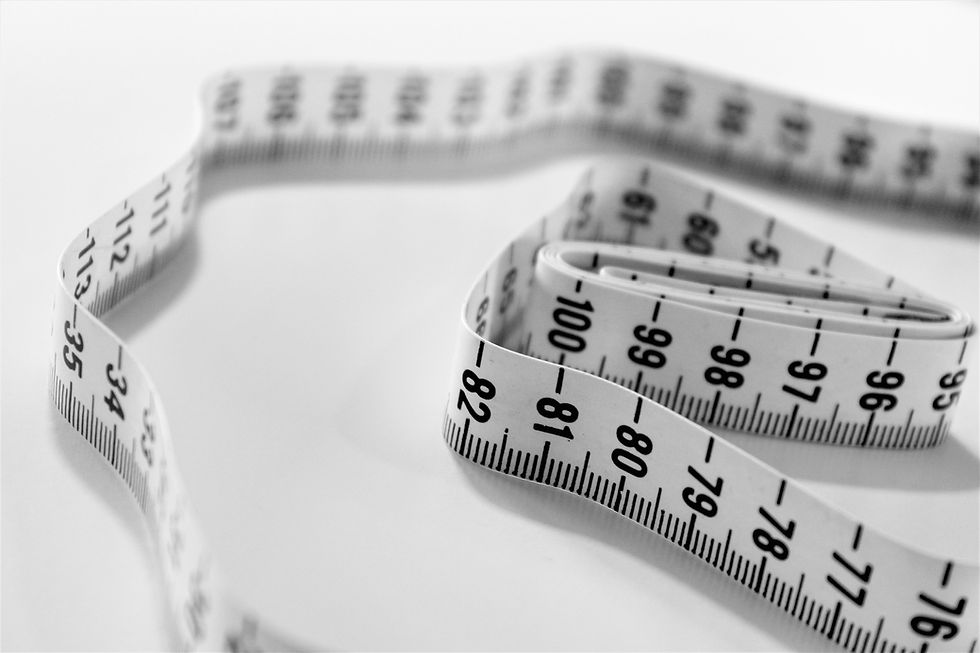
Use a soft tape measure and keep the conditions consistent (same time of day, same spot, same stance). Tracking inches lost (or gained in muscle!) gives a clearer picture than a weight number ever could.
3. Use Progress Photos
A photo speaks volumes. Weekly or monthly progress photos can reveal muscle definition, posture improvements, and body composition changes that aren’t visible to you in the mirror each day.
Tips for progress pics:
Same lighting
Same clothing
Same poses (front, side, back)
Taken at the same time of day
You don’t have to share them, but you’ll appreciate having a visual timeline of your transformation.
4. Pay Attention to Energy, Mood, and Recovery
Sometimes the biggest progress is felt, not seen.
Do you have more energy throughout the day?
Are your workouts leaving you feeling strong rather than drained?
Are you sleeping better, recovering faster, and feeling more focused?
Fitness is about enhancing your life—not exhausting it. Improved mood, stamina, and recovery are often overlooked signs that your body is thriving, even if the mirror looks the same.
5. Track Clothing Fit
This is a favorite among many lifters and fitness clients. Clothes don’t lie and if your pants are looser or your shirt sleeves feel tighter in the arms, you’re making changes. Sometimes it’s more encouraging than any measurement.
Jot down how specific clothes feel every few weeks. Are they looser, tighter in the right places, or more comfortable overall?
6. Set Non-Scale Goals (NSVs)
Shift your mindset toward non-scale victories:
Run a 5K
Do your first pull-up
Hit a squat PR
Walk 10,000 steps a day for 30 days
Meal prep consistently for a month
These goals promote health, discipline, and growth in ways a number on a scale never could.
Final Thoughts: Progress Is a Puzzle, Not a Single Piece
Your fitness journey is made up of many metrics—strength, endurance, confidence, consistency, body composition, sleep, and more. The scale is just one small part of a much bigger picture.
When you stop obsessing over your weight and start focusing on performance, consistency, and how you feel, that’s when the real transformation begins.
Track progress to stay informed—not to judge yourself. Let your victories, big or small, fuel your next step forward.


Comments